Passive house: this overlooked detail costs you the entire summer
Hi, this is Quentin.
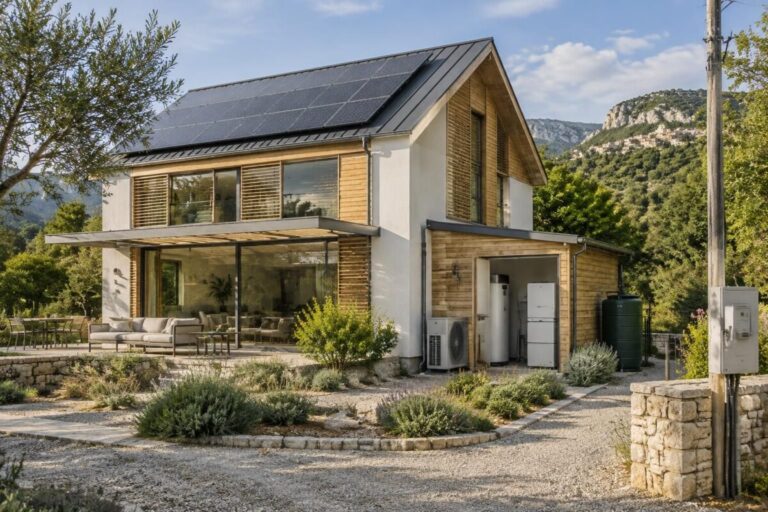
The detail that makes all the difference in summer is a well-sized outdoor solar protection, complemented by effective nighttime ventilation.
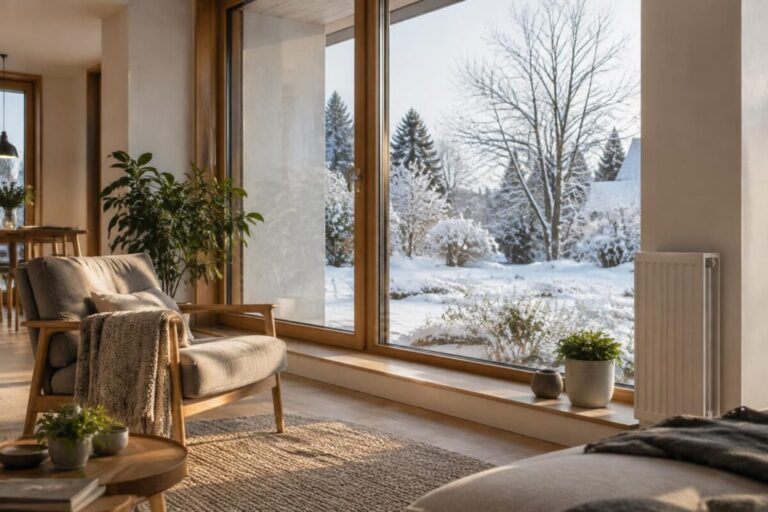
A passive house retains heat very well in winter, but its large windows can also let in a lot of sun. Without a strategy to counter summer overheating, summer comfort can quickly deteriorate.
Do This Without Delay
-
Identify the windows facing south and especially west, where the late-afternoon sun can heat the rooms strongly.
-
Plan exterior solar protection: brise-soleil, shutters or blinds adapted to each facade.
-
Check the solar factor of the windows: it indicates the portion of solar energy that passes through the glazing.
-
Arrange nighttime ventilation when outside air is cooler, ensuring the openings are secure.
-
Limit heat gains during the day by closing protections before the sun hits the glazing.
These choices are planned from the design phase, as the orientation of openings and the type of protection directly influence the indoor temperature. To go deeper, consult these tips on a passive house designed to counter overheating and the solutions for natural cooling in summer.
The Summer Trap of a Passive House
Thermal insulation limits exchanges with the outside. It is valuable in winter, but it can also slow the evacuation of heat accumulated during a sunny day.
The risk increases when large windows remain unshaded, especially to the west. An indoor temperature of 27 to 30 °C can then become hard to bear, even if heating runs very little the rest of the year.
Why glazing alone is not enough to protect the house
A high-performance glazing reduces heat loss, but does not by itself block solar radiation. Its solar factor matters, as does the presence of protection installed outside the glazing.
An interior shade can reduce glare, but part of the solar energy has already passed through the window. An exterior brise-soleil intercepts more rays before they heat the room.
Solar protection and nighttime ventilation: the winning duo
Fixed protections, like roof overhangs or certain brise-soleil, limit direct gains depending on the orientation of openings. Shutters or adjustable exterior blinds offer more flexibility when the sun changes angle.
At night, opening the windows when outside air is cooler allows part of the accumulated heat to escape. Double-flow ventilation can also have a summer bypass, but it does not always replace proper nighttime ventilation.
Thermal inertia also helps dampen fluctuations: materials capable of storing heat slow the temperature rise, provided they can vent that heat afterward. Without shading and without air exchange at the right moment, this capacity is not enough.
Simple benchmarks to understand the effect of choices
| Configuration | Indicative interior temperature | Likely effect |
|---|---|---|
| Little solar protection, low ventilation | 27 to 30 °C | Risk of overheating and noticeable discomfort |
| Exterior protections and nighttime ventilation | 22 to 24 °C | Coolness easier to maintain |
| Partial protection and limited ventilation | 24 to 26 °C | Comfort varies with climate and usage |
These values are guidelines, not a guarantee: local climate, exposure, habits, and building design vary the result. The right objective is to reduce solar gains before trying to cool the house.
Three steps to limit summer overheating
-
Evaluate exposure. Note the orientation of each window and identify the rooms affected by the morning or afternoon sun. West-facing façades often require special attention.
-
Choose an appropriate protection. Compare brise-soleil, exterior blinds, shutters and roof overhangs. The device should prevent direct sun from reaching the glazing during the hottest hours while preserving useful light.
-
Prepare heat evacuation. Ventilate during cooler hours, then close the windows and protections when the outside temperature rises. Also check the summer mode of the mechanical ventilation.
In an already-built house, start with movable protections and ventilation habits before considering major works. A thermal study can help distinguish between glazing problems, shading, or air circulation.
Adapting summer comfort to climate and dwelling
Tailoring summer comfort to climate and dwelling. A solution effective in a cool region won’t necessarily be sufficient in the South. The size of the glazing, the shade from trees, the duration of hot spells, and the nocturnal coolness should guide the choices.
For example, a west-facing house may benefit from exterior shutters closed before the end of the afternoon, then a night-opening for cross-ventilation if conditions are safe. The decisive detail is therefore not a single piece of equipment, but a coherent strategy between shading, thermal insulation, and ventilation.
What forgotten detail often provokes overheating in a passive house?
The absence of external solar protections adapted is a frequent cause. Glazing can let in a lot of heat, especially on façades facing the afternoon sun.
Is a brise-soleil enough to guarantee summer comfort?
Not always. Its effectiveness depends on orientation, sizing, and interior heat gains. It works better with nighttime ventilation and uses that limit heat during the day.
Does a double-flow VMC cool the house at night?
A double-flow VMC renews the air and some models have a summer bypass. To evacuate heat quickly, nighttime airing through the windows can also be useful when the dwelling and weather permit.
Do bio-sourced materials prevent summer overheating?
Some materials, like wood fiber, help slow temperature variations thanks to their thermal behavior. They do not replace shading of the windows or evacuation of the accumulated heat.
Thanks for reading! Feel free to share your observations in the comments. — Quentin