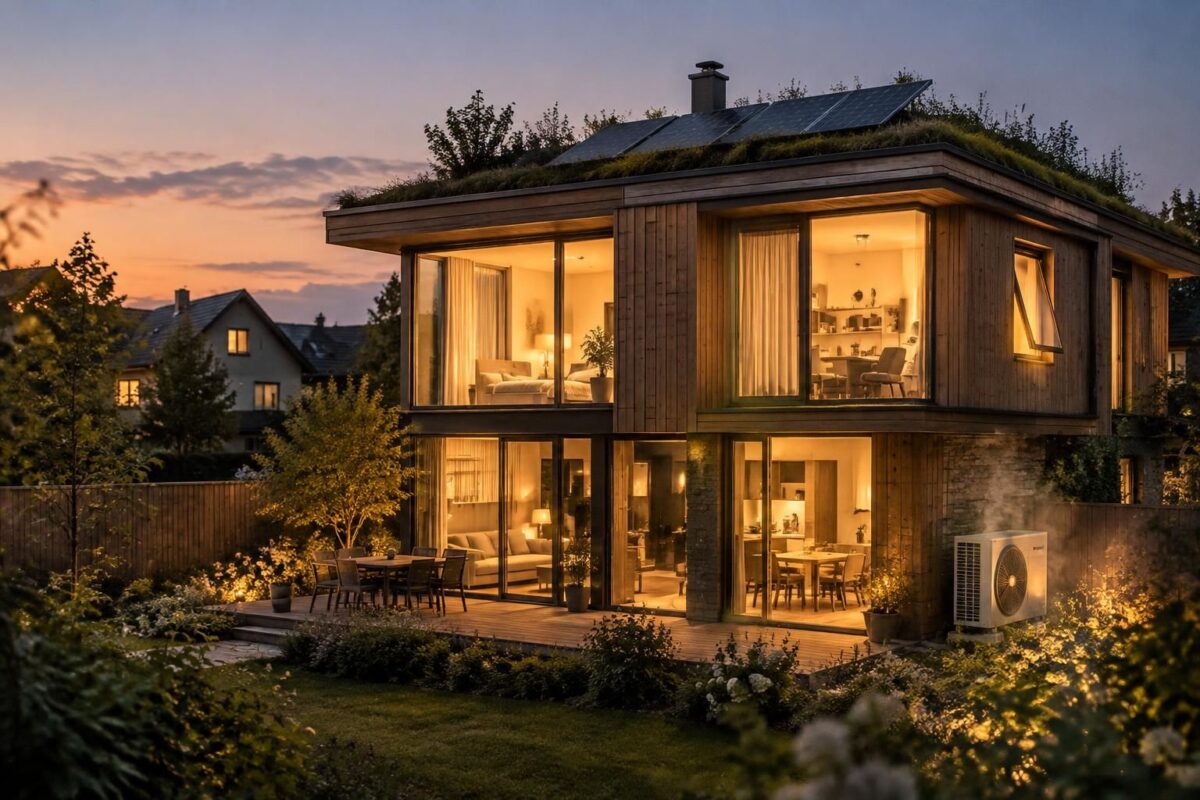
Green transition: why a green home remains energy-intensive
Hello, this is Quentin. A green house can remain energy-intensive if its insulation, its equipment and the habits of its occupants do not align with its ecological choices. Solar panels or a renewable electricity contract reduce the impact of the energy used, but do not automatically lower the dwelling’s needs. To understand the gap, energy performance must be viewed as a whole.
The right habits to adopt
- Identify the rooms that are difficult to heat and the drafts around the windows.
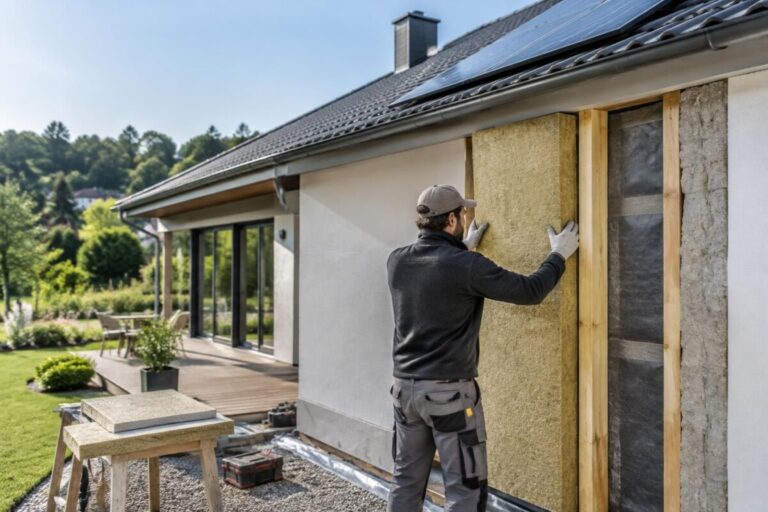
- Check the state of the thermal insulation, especially in the attic and the walls.
- Have the ventilation checked before strengthening the airtightness of the building.
- Schedule the heating according to the hours and the real needs of the household.
- Identify energy-hungry equipment and compare their consumption before replacing them.
An offer of green energy concerns the origin of the electricity purchased, not the amount consumed by the dwelling. To distinguish these two levers, also discover the ways to make your house greener and the reasons why a passive house may remain energy-hungry.
Why does a green home still consume a lot of energy
The ecological label, natural materials or solar panels do not guarantee low energy consumption by themselves. A dwelling can produce part of its electricity while losing a lot of heat through a poorly insulated roof, aging windows, or thermal bridges.
Ventilation also matters. If it is insufficient, humidity and indoor air quality become problems; if the system is poorly adjusted or poorly maintained, it can lead to heat losses. The objective is therefore to renew the air without letting the heating continually offset the losses.
A green home isn’t necessarily a low-energy home
A supplier can purchase Guarantees of Origin tied to renewable electricity, while the dwelling continues to use a lot of energy. These two approaches can be useful, but they address different questions: one concerns the origin of the electricity, the other the needs and losses of the building.
Before choosing an offer, check the information on the energy mix and the projects supported. Some suppliers invest in renewable installations or work with local producers; this enhances the impact of the approach, without replacing a proper energy renovation.
Common causes of high energy consumption
| Cause | What happens | The first useful check |
|---|---|---|
| Insufficient insulation | Heat escapes through the roof, walls, or windows. | Inspect the attic and cold surfaces. |
| Thermal bridges | Junction areas allow more heat to pass through. | Identify cold corners and signs of condensation. |
| Poorly controlled air tightness | Infiltrations increase heating needs. | Check the joints, without blocking ventilation. |
| Poorly set heating | An unsuitable temperature or schedule leads to avoidable expenses. | Check the programming and balancing of the system. |
| Equipment and uses | Energy-hungry devices or prolonged usage weigh on the bill. | Track consumptions by device or by period. |
A simple example: in a house renovated with eco-friendly materials, occupants may still feel cold near the windows and heat more. The problem may come from a thermal bridge or an improper adjustment, not necessarily from a lack of solar panels.
Reducing energy consumption without compromising comfort
The first step is to understand where the energy is going. A high bill can come from heating, hot water, or devices used for long periods; a regular reading helps distinguish a trend from a simple seasonal spike.
Occupants’ behaviors also matter, but they should not be used to mask the building’s faults. Lowering heating in a poorly insulated room does not solve the discomfort or the losses: you must combine the right adjustments with targeted improvements.
Léa’s case: producing more doesn’t suffice
Léa installs solar panels and chooses a green electricity plan. Yet her consumption remains high in winter, because her house loses heat through the attic and electric heating runs for long periods.
A diagnosis also reveals poorly adjusted ventilation. After improving insulation, adjusting the heating, and maintaining the ventilation system, her needs decrease: the panels then contribute more to covering a consumption that has become more reasonable.
An effective energy renovation starts with the right order
Replacing a device or adding technology before identifying losses can lead you to invest in the wrong place. To sustainably improve energy performance, start with the dwelling, then adjust its equipment and its usage.
- Measure and identify. Review invoices, compare periods, and have the main sources of heat loss examined, notably the insulation and the thermal bridges.
- Address losses and indoor air. Prioritize useful measures, then verify that airtightness remains compatible with adequate ventilation.
- Adjust and complete. Adjust the heating, replace energy-hungry equipment when appropriate and then choose a renewable electricity offer that aligns with your needs.
This sequence helps avoid confusing energy production with sobriety. A truly greener home is one that reduces its needs, stays healthy, and makes the best use of the energy it uses.
Frequently asked questions about an energy-hungry green home
Does a green electricity offer reduce the home’s energy consumption?
No. It concerns the origin of the electricity purchased, but does not reduce the home’s energy needs. To consume less, you need to act on insulation, heating, and equipment.
Why can a well-insulated house still consume a lot?
Poorly adjusted heating, inadequate ventilation, thermal bridges, or energy-hungry equipment can keep energy consumption high despite good insulation.
Should airtightness be strengthened before revising ventilation?
Both topics should be studied together. Reducing infiltrations without ensuring adequate air renewal can degrade indoor air quality and promote humidity.
Where to start to lower energy costs?
Start by analyzing the bills and identifying heat losses. A diagnostic can help define the order of works and avoid purchases that do not address the main problem.
Thank you for reading! Feel free to share your observations in the comments. — Quentin