Building autonomy: should we wait before investing seriously
Hello, this is Quentin.
No, it’s not necessary to wait: invest gradually, after reducing the building’s needs and verifying the energy profitability of the proposed solutions. Energy autonomy is built step by step, not by buying the most powerful system right away.
An autonomous building depends as much on its insulation and its uses as on its equipment. Before choosing solar panels or energy storage, start by looking at what the building actually consumes.
The right habits to adopt
- Relève tes consommations d’électricité et de chauffage sur plusieurs mois.
- Repère les pertes de chaleur dans les murs, la toiture, les fenêtres et les planchers.
- Réduis les besoins avant d’augmenter la production d’énergie.
- Compare les options locales parmi les énergies renouvelables disponibles.
- Prévois l’entretien et le remplacement des équipements, notamment des batteries.
Attendre peut être utile si les travaux d’isolation ou le diagnostic ne sont pas encore faits ; en revanche, tu peux commencer dès maintenant par mesurer les consommations et hiérarchiser les travaux. Pour cadrer ton projet, consulte ces conseils sur the right order of works to avoid extra costs et ce repère pour choose between total autonomy and a progressive approach.
Invest now or wait: it all depends on the state of the building
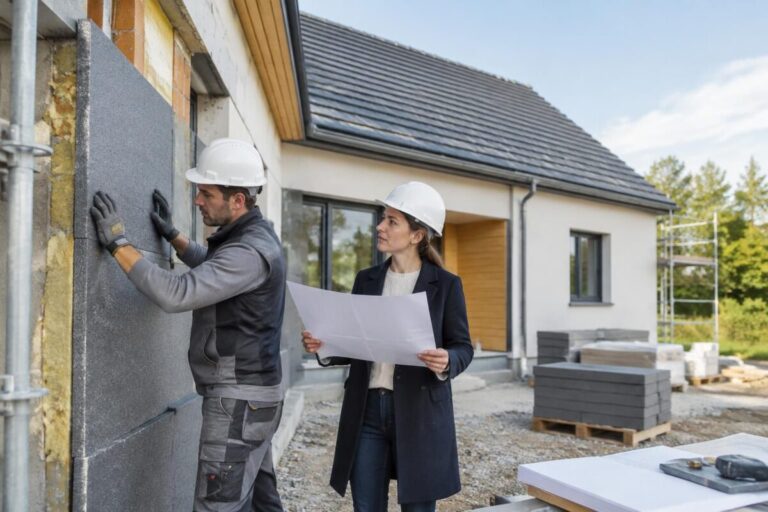
If the building is poorly insulated, start by addressing heat losses and improving heating regulation. Installing a large solar production before these works can lead to oversizing the equipment without solving the main problem.
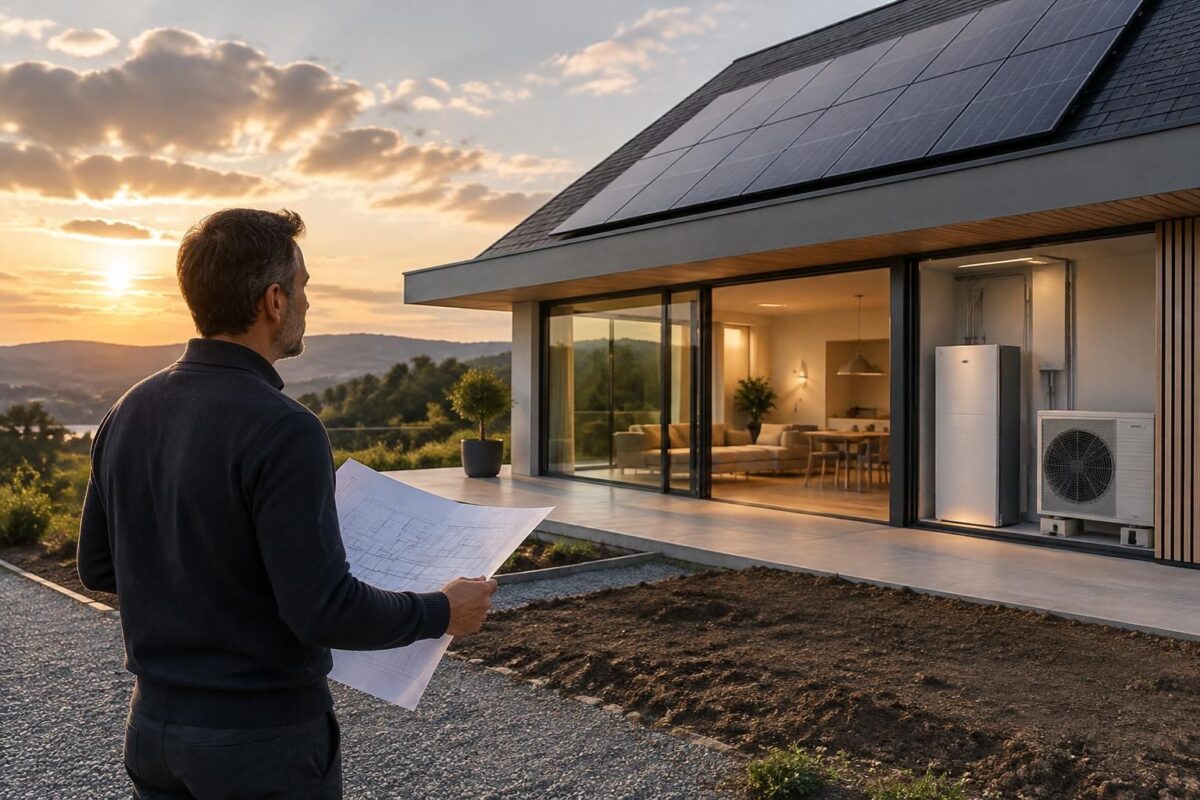
If the envelope is already efficient and consumption is known, a suitable installation can be studied without waiting. The goal is not necessarily total energy independence: a grid-connected system, properly sized and paired with sober management, can already reduce dependence on energy purchases.
A common mistake: confusing production and autonomy
A system that produces a lot does not automatically ensure a continuous supply. Solar production varies with season and weather; energy storage can help, but its cost, lifespan and real needs must be factored into the calculation.
For example, a household that mainly uses electricity in the evening may benefit from shifting some uses to daytime before investing in a substantial battery. The best first expense is often the one that avoids consuming energy, not the one that produces more energy.
Energy autonomy: compare useful investments
The choice depends on the state of the building, the local climate, and the available budget. An investment aimed at sustainable renovation benefits from being evaluated over the entire life cycle: expected savings, maintenance, and future replacement of equipment.
| Priorité | Action envisagée | À vérifier avant d’investir |
|---|---|---|
| Réduire les besoins | Isolation, étanchéité à l’air, protections solaires | Diagnostic, confort d’été et d’hiver |
| Produire localement | Panneaux solaires ou autre source renouvelable adaptée | Ensoleillement, orientation, ombrage et usages |
| Gérer les usages | Suivi de consommation et programmation des appareils | Horaires de consommation et compatibilité des équipements |
| Stocker l’énergie | Batterie dimensionnée selon les besoins | Coût, durée de vie, entretien et intérêt économique |
| Améliorer le confort | Conception bioclimatique et matériaux adaptés | Orientation, inertie thermique et conditions locales |
Dans une maison peu isolée, renforcer la toiture et améliorer les fenêtres peut réduire les besoins de chauffage avant même l’ajout d’une nouvelle source d’énergie. À l’inverse, un bâtiment déjà sobre peut tirer davantage parti d’une production solaire calculée à partir des consommations réelles.
Un projet fictif pour rendre le choix concret
Imagine Léa, qui rénove une maison et souhaite avancer vers la transition énergétique sans engager toutes ses économies dans une seule installation. Elle commence par suivre ses usages, puis traite les pertes les plus importantes et demande des estimations pour une production adaptée à son toit.
Ce phasage lui permet de comparer les coûts avec des besoins plus réalistes. Il laisse aussi la possibilité d’ajouter du stockage plus tard, si les mesures montrent que la batterie apporterait un bénéfice concret.
Three steps to invest without skipping steps
- Measure your needs. Gather the available invoices and readings, then distinguish heating, hot water, ventilation, and specific electricity. Identify periods of high consumption and the most energy-hungry devices.
- Reduce and size. First address the priority losses, then compare production solutions according to exposure, climate, available space, and budget. Request several estimates based on the same assumptions.
- Install, monitor and adjust. Implement the equipment in stages, monitor their performance, and plan maintenance. Usage data will help decide whether supplemental storage is truly relevant.
A coherent project can combine insulation, solar panels, appliance control, and, when calculations justify it, energy storage. Low-impact materials such as wood, rammed earth, or hemp concrete can also contribute to thermal comfort, depending on the building and site constraints.
The right moment to invest is when needs are understood and choices are compared. A progressive approach allows you to move toward greater energy independence without paying for unnecessary capacity or delaying improvements that are already profitable.
Should you wait before installing solar panels?
Not necessarily. First, measure your consumption and check the roof’s condition, orientation, shading, and the insulation work to be planned in order to size the installation correctly.
Is total energy autonomy always profitable?
No. It may require substantial production and storage, with high costs for equipment and maintenance. A well-sized partial autonomy can be more suitable for the budget and the building’s needs.
Should you buy a battery with solar panels?
Not automatically. Compare the cost of the battery to the share of electricity consumed outside production hours, taking into account its lifespan and maintenance.
What is the first step of an autonomous building project?
Start with an audit or precise measurement of consumption, then identify energy losses. This baseline helps to choose the works and equipment in the right order.
Thank you for reading! If the topic interests you, feel free to leave me a comment at the bottom of the article. — Quentin