Green energies: the right order to avoid mistakes
Hello, it’s Quentin here. The right order is to assess the dwelling, address its heat losses, then choose and size the equipment.
This planning avoids unnecessary expenses and poorly adapted installations. A successful energy transition starts with the real needs of the home, not with buying a device.
Do this now
- Have an energy audit done to identify the main heat losses.
- Check the thermal insulation of the attic, walls, and windows.
- Define your budget and check the available aids before signing a quote.
- Compare solutions according to your dwelling: heat pump, solar panels or other renewable energy.
- Plan the work in the right order and request detailed quotes from qualified professionals.
To understand why the order of decisions matters, also read this article on the cost of a bad order of works and this guide about the classic mistake with solar panels.
The common mistake: choosing equipment before the home
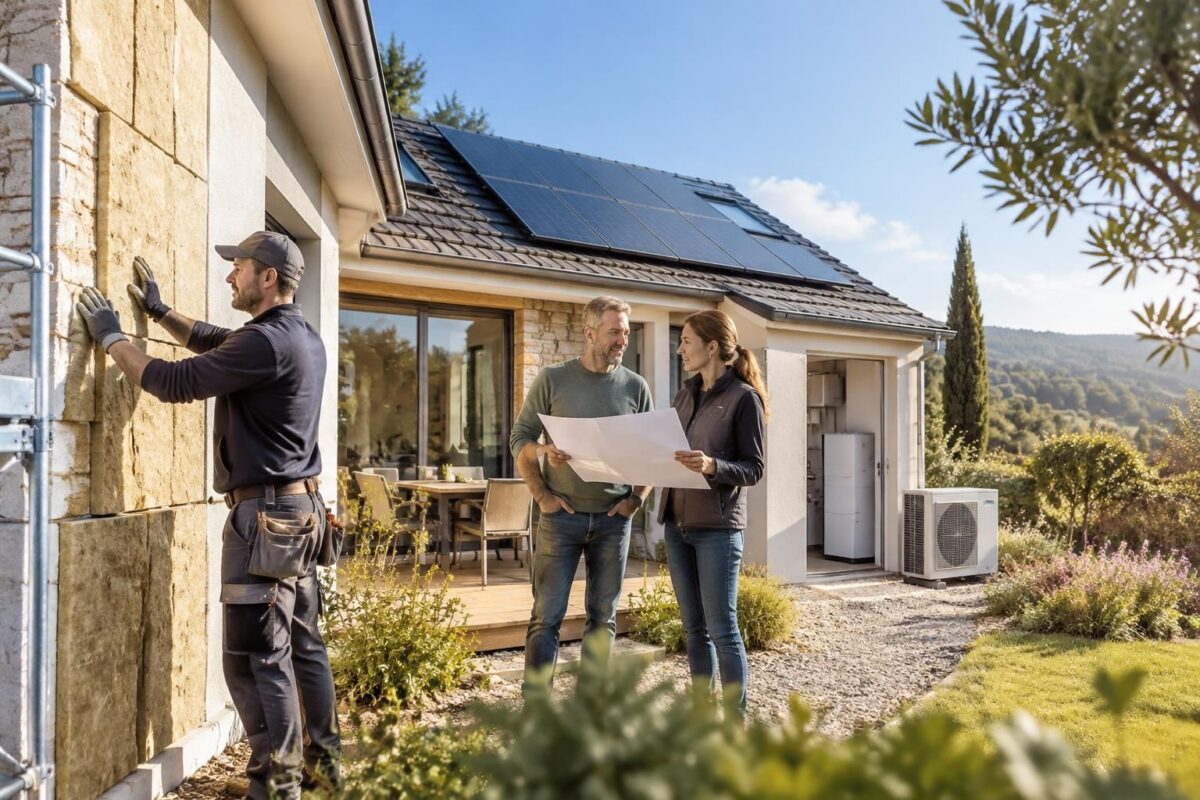
Installing a heat pump or solar panels before reducing losses can lead to an oversized system or one that performs less well than expected. The energy produced or consumed does not solve a poorly insulated roof.
A simple example: Camille is considering a heat pump for a cold house in winter. The audit first reveals poorly insulated attics and air leaks; after correction, heating needs decrease and the system can be sized more accurately.
Why thermal insulation comes first
A better building envelope keeps more heat in in winter and stays cooler in summer. It can also reduce the heating power required, helping to control the purchase and operating costs of the equipment.
So the mistakes to avoid are quite concrete: choosing a capacity without an assessment, neglecting ventilation, or accepting a quote that does not specify the preparatory works. A less energy-intensive home makes each piece of equipment more efficient.
Compare green energy solutions after the diagnosis
| Solution | To examine | When to consider |
|---|---|---|
| Insulation and airtightness | Attics, walls, windows, air circulation | Primarily if the dwelling loses a lot of heat |
| Heat pump | Insulation, heat emitters, climate and sizing | After reducing heating needs |
| Solar panels | Sun exposure, orientation, roof and consumption profile | When the site and uses make production relevant |
| Efficient ventilation | Humidity, air quality and compatibility with the works | To be integrated into the energy renovation, especially after airtightness improvements |
These solutions are not necessarily opposed, but their value depends on the building and your habits. A well-chosen renewable energy completes a coherent renovation; it does not replace the diagnosis.
Planning the works in three steps
1. Evaluate real needs
Gather the invoices, identify the rooms most difficult to heat and request an adapted energy audit. The diagnosis helps distinguish major losses from secondary improvements.
2. Reduce losses and preserve air quality
Prioritize thermal insulation and address airtightness defects, while providing for appropriate ventilation. This step prepares the dwelling to receive a better-adjusted heating system.
3. Size, compare and have installed
Ask for several comparable proposals for the heat pump or the solar panels. Check the advertised performances, the warranties, the maintenance costs and the qualifications of the company before finalizing the schedule.
The right order is simple: diagnose, improve the building, then choose the equipment. It’s a practical method for investing in green energies without multiplying the works or avoidable expenses.
Is it always necessary to insulate before installing a heat pump?
You should first assess the dwelling’s needs. If losses are significant, improving insulation before sizing the heat pump helps avoid a system that is too powerful or ill-suited.
Should solar panels be installed last?
Not necessarily, but their sizing must take into account the roof, electrical usages and the project timeline. The diagnostic and planning help decide the right moment.
What is the purpose of an energy audit before the works?
It helps identify the main losses and to prioritize improvements. You can thus compare solutions based on the building’s real needs.
What elements should be checked in an energy renovation quote?
Check the included works, the advertised performances, the materials, the warranties, the ancillary costs and the schedule. Compare several detailed quotes before committing.
I hope these tips have been helpful. See you soon! — Quentin