Green transition: start small or aim big right away
Hi, it’s Quentin. The best strategy is to start with small, useful steps, then aim higher with a coherent plan. A successful green transition is not measured by the scale of the first project, but by the results that add up. The right pace depends on your home, your budget, and your priorities.
The right habits to adopt
- Identify the main sources of consumption in your home.
- Start with an action within reach, such as adjusting the heating or sealing air leaks.
- Compare costs, expected savings and the lifespan of equipment.
- Plan the major works in a logical order, without buying in a rush.
- Set a measurable objective, for example to reduce your energy consumption over one year.
Small steps deliver quick results, while an ambitious project can sustainably transform comfort and expenses. To choose a first relevant action, discover the change that produces a tangible effect and the often neglected starting point.
Small steps or a big project: two speeds for the green transition
A progressive approach works if you need to preserve your budget or if you first want to understand your home’s needs. It allows you to test simple changes and reinvest the savings over time. Its risk: stacking purchases without a transition strategy.
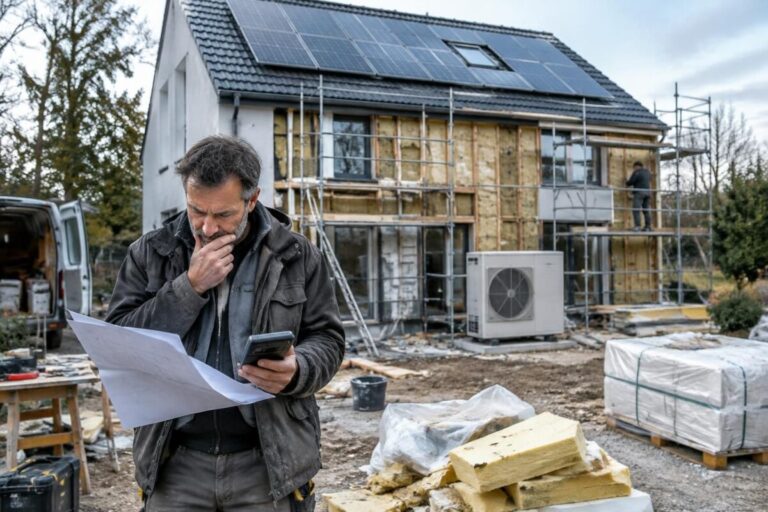
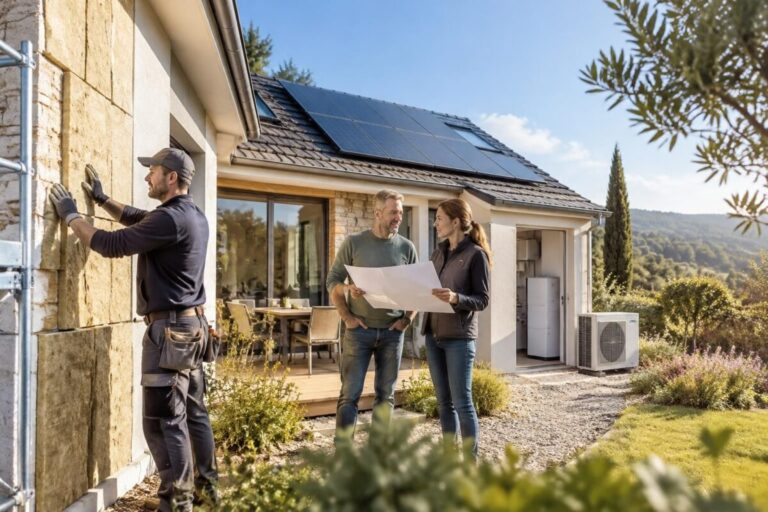
Going big can be relevant during a major renovation or if several pieces of equipment are nearing the end of life. Insulation, heating and renewable energy can then be considered together. However, this climate ambition requires a diagnosis, realistic financing and good coordination of the works.
| Approach | Main advantage | Point of vigilance |
|---|---|---|
| Small steps | Limited initial investment and gradual learning | Avoid isolated or incompatible actions |
| Global project | Coordinated works and potential emission reductions | Plan the budget, the schedule, and real needs |
A concrete example to choose the right ambition
Imagine Léa, who lives in a poorly insulated house and heats with aging equipment. Replacing the heating immediately without addressing heat losses could lead to choosing an inappropriate capacity. Conversely, waiting for the budget of a full renovation without taking any action would leave high expenses.
She starts by adjusting the heating and improving the sealing of openings, then has insulation and heating needs assessed. The savings and available aids help her plan coherent works. Energy efficiency thus becomes the guiding thread, rather than an accumulation of equipment.
Building a transition strategy in three steps
1. Measure first what matters
Check your bills, note the setpoint temperatures and identify uncomfortable rooms. If possible, request a diagnostic tailored to the home: it helps distinguish heat losses from overly energy-hungry equipment. A decision based on actual use avoids ineffective expenditures.
2. Rank actions by their effect
Evaluate each option according to its cost, its ecological impact, its comfort and its compatibility with future works. A programmable heating system can be a first measure; well-designed insulation can prepare a system change. Sustainable innovation is valuable only if it meets a concrete need.
3. Move forward in steps, with a clear target
Set a first deadline, then reassess the results before moving on to the next project. If a global renovation is accessible and well prepared, it can accelerate systemic change; otherwise, a progressive path remains solid provided it is coordinated. The best plan is the one that truly reduces consumption and emissions.
Choosing without pitting ambition against progression
Starting small does not require thinking small: a simple measure can fit into a long-term project. And aiming high doesn’t mean replacing everything immediately; interventions can be programmed according to their urgency and technical coherence.
The right balance is to act now on usage and to prepare the structural decisions. A clear strategy turns every step into measurable progress, without sacrificing comfort or the budget.
Should you start with solar panels or insulation?
In a home that loses a lot of heat, evaluating the insulation and energy needs before sizing a solar installation helps avoid ill-suited choices. A diagnostic helps define the right order.
Are small gestures enough to succeed in your green transition?
They can reduce certain consumptions and start a dynamic, but they do not always replace the necessary works. Their effectiveness increases when they are part of a global plan.
When is a global renovation preferable?
It is worth considering when several pieces of equipment are aging, the home is very energy-intensive, or major works are already planned. You should verify technical and financial feasibility.
How to avoid spending twice?
Before a purchase or works, establish an order of intervention and verify that each solution remains compatible with the following steps. A diagnostic and comparable quotes limit missteps.
Thank you for reading! If the topic speaks to you, feel free to leave me a comment at the bottom of the article. — Quentin